Meet the Planters
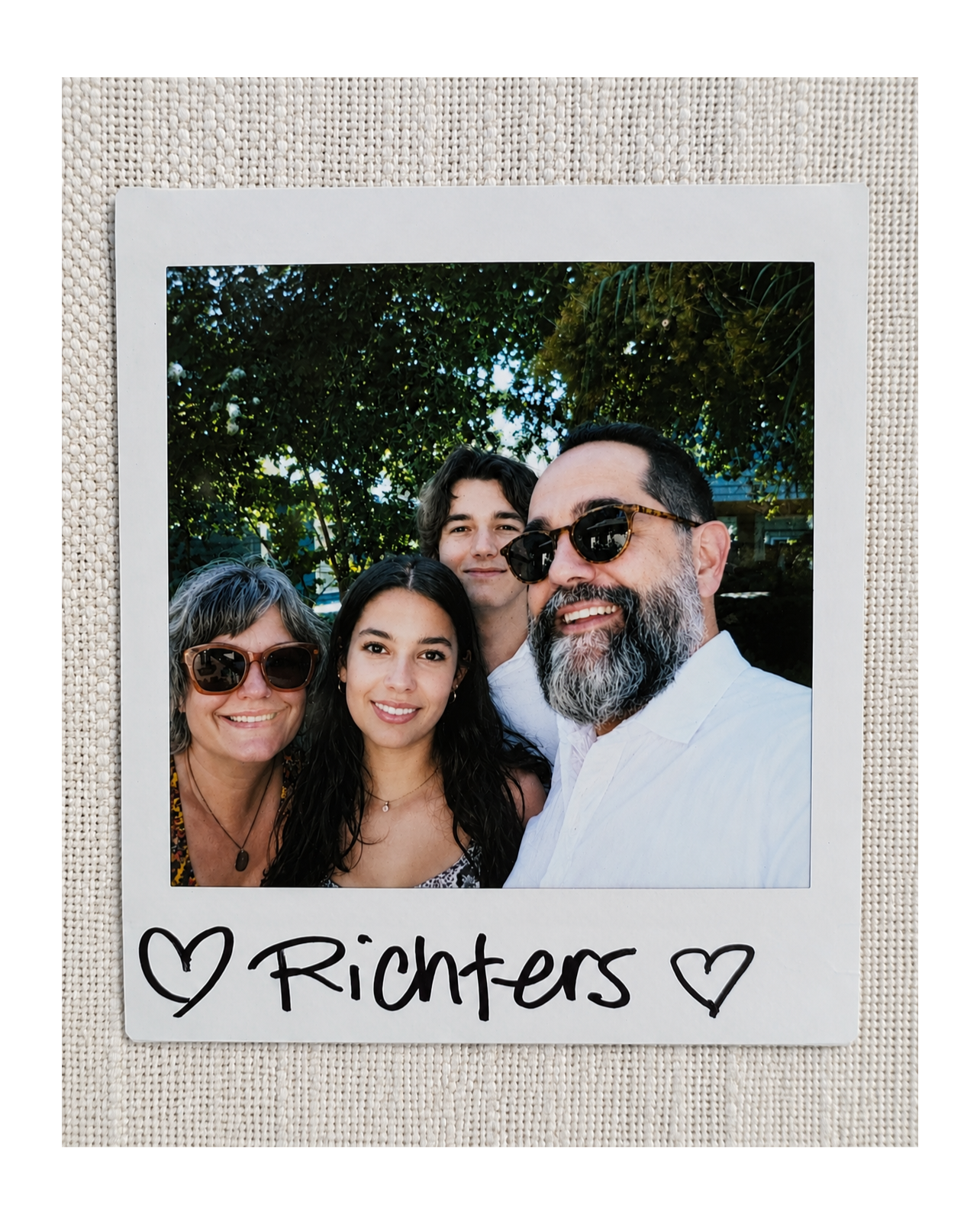
The Richter Family
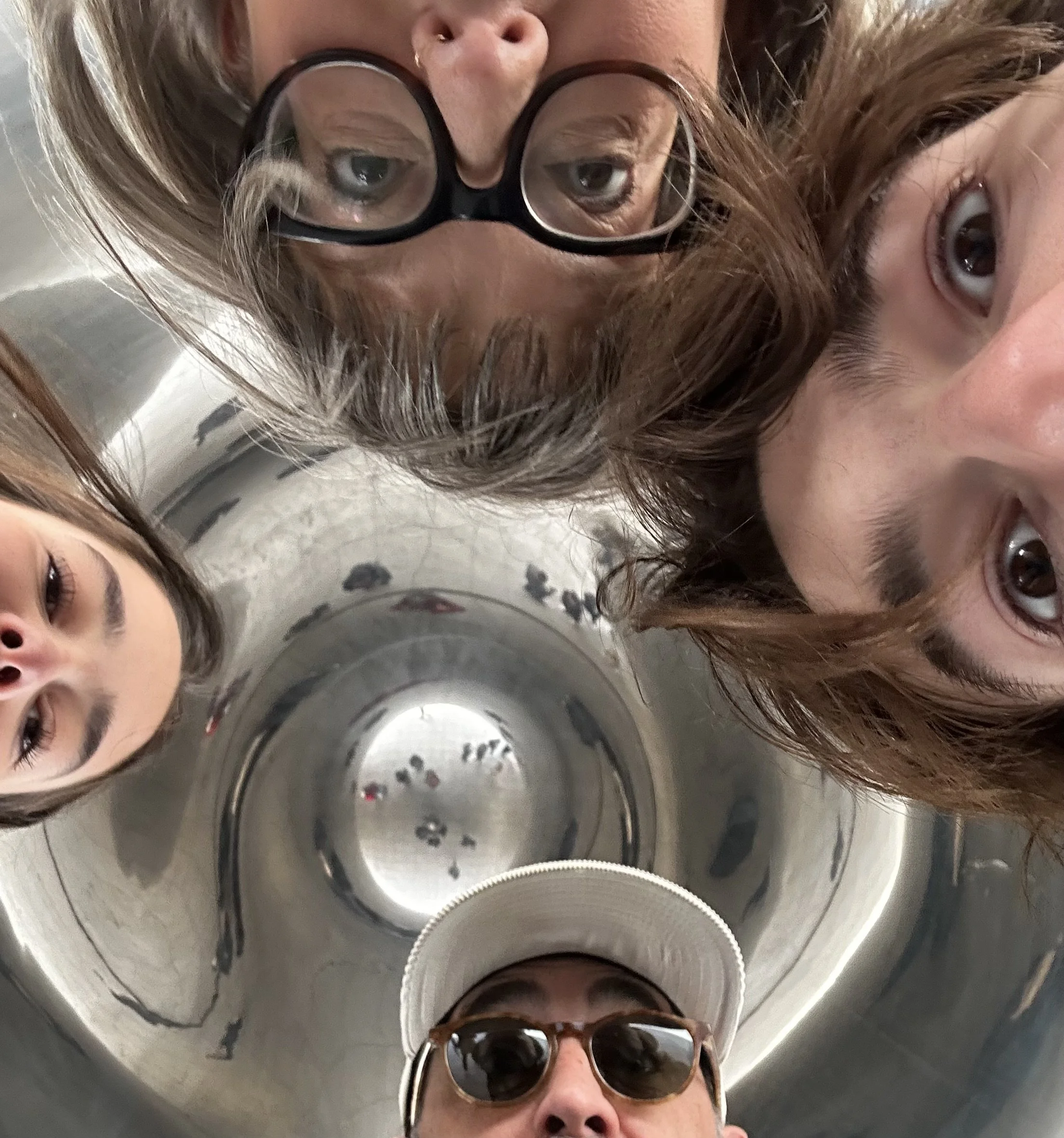
David and Kelly Richter, along with their daughter Luci, are preparing to plant this new church in the Stony Brook region of Long Island. Their son Sam is currently pursuing a career in music and will remain in Tennessee as the family begins this new season of ministry.
They are drawn to Stony Brook because of its unusual convergence of university life, family life, institutional influence, beauty, and spiritual need. It is a place where many people are thoughtful, responsible, and searching, yet where the Christian faith often feels distant, implausible, or disconnected from everyday experience. The Richters believe the gospel speaks powerfully into precisely such places.
Their prayer is not merely to begin services, but to help plant a church that will endure—a church marked by warm hospitality, thoughtful preaching, compelling worship, deep community, outward facing witness, and long-term local presence.
Ministry Experience
Over more than three decades of ministry, David has been formed by an unusual combination of experiences — each of which bears directly on this particular work. After his conversion through RUF, he served as an RUF intern at Vanderbilt University, where mentors taught him not only theology but how to think — how to ask good questions, how to listen, and how to translate the gospel from the classroom into the real world of relationships.
He and Kelly then moved to Edinburgh, Scotland, to explore planting a college ministry at the University of Edinburgh — one of Europe's great research universities in one of its most secular cities. That experience confirmed both a calling and a methodology: patient, relational, intellectually serious gospel work in a post-Christian university context.
At Covenant Theological Seminary, David was mentored by Professor Jerram Barrs through the Francis Schaeffer Institute, where he was trained in relational apologetics and winsome evangelism — learning to honor the questions people are actually asking, to listen before speaking, and to present the gospel in a way that is both biblically faithful and culturally sensitive. This is the Schaeffer vision: not confrontational debate, but patient, hospitable, truth-telling presence.
David and Kelly then served at L’Abri Fellowship in Rochester, MN — a Christian study center dedicated to welcoming seekers, skeptics, and those wrestling with hard spiritual questions. At L’Abri, David learned the value of humble hospitality: not rushing people to belief, but patiently offering honest answers to honest questions, and creating the kind of space where people who have been burned by religion can encounter the real Jesus.
Before planting in Boston, David served for six years as Associate Pastor and Director of Outreach and Small Groups at Trinity Presbyterian Church in Rochester, Minnesota — where he was ordained in the PCA in 2008. That season built on his seminary education in ways that proved essential: leading small groups, developing outreach structures, caring for a congregation through ordinary life and ordinary suffering, and learning what it takes to build community that holds over time. It was also during this season that David’s call to church planting came into sharper focus. He served as Chairman of the Siouxlands Presbytery’s church planting committee, became a founding board member of the Twin Cities Church Planting Network, and was formally assessed and approved as a church planter through MNA’s assessment center — completing GCA Church Planter Training in preparation for the work ahead.
As the church planter and lead minister of Christ the King Church in Somerville, MA — one of the most unchurched cities in America — David led the church from its earliest gatherings through almost ten years of growth, trial, and deepening gospel witness. He developed Think & Drink: a weekly gathering in a local pub where atheists, agnostics, ex-evangelicals, and curious neighbors could discuss big questions about life, meaning, and faith. It became a side door for many who would never walk into a church service but who were genuinely hungry for truth. Stories of people slowly rediscovering faith — through countless conversations, long walks, and honest engagement over time — became characteristic of that ministry.
David also served as Chairman of the RUM Committee for the Southern New England Presbytery, mentored students at Gordon-Conwell Theological Seminary, and became a Church Planting Assessor for MNA — investing not only in his own congregation but in the broader work of gospel advance across New England.
The COVID season tested the plant in ways that accelerated his formation: navigating a congregation through isolation, maintaining gospel witness without a building, and learning what it means to lead a church not by institutional momentum but by the slow, patient work of the Spirit.
Most recently, David has served as a pastoral leader in Nashville, TN, where a particularly difficult season — arriving in a new city the same week Kelly received a cancer diagnosis, and stepping into a church that was fragile and fractured from COVID — shaped him profoundly. He learned to lead not from strength and polish, but from surrendered weakness. "I had to preach the gospel not just as truth for others, but as a lifeline for myself." That season formed in him a deep empathy for those who suffer quietly, a renewed commitment to the patient rebuilding of trust, and a clearer sense that God's power is made perfect not in polished performance but in honest, dependent faithfulness.
The Call to Stony Brook
This project did not grow out of novelty or trend. It grew out of a deepening conviction — confirmed over time through prayer, conversation, and the counsel of trusted friends and mentors — that the Central North Shore of Long Island represents both a meaningful opportunity and a genuine need for gospel witness. And more than that, it grew out of a growing sense that this is where God is calling us.
There is a phrase from 1 Samuel 25:29 that one of our mentors, Jerram Barrs, taught us to ask when discerning where and with whom to do ministry: "Who has the Lord bundled you up in a bundle of life with?" When we began asking that question seriously about Stony Brook, the answer came back with a clarity we hadn't expected. The relationships were already there. The prayers had already been prayed. The need was obvious to anyone willing to look. We didn't choose Stony Brook so much as we found ourselves, over time, already woven into its story.
We want to be honest: the Lord doesn't need us to do this work. He doesn't need us for anything. But by His incredible grace, we believe He is inviting us to participate in His great rescue mission in this world — to partner with Him in the work He has already begun on Long Island. That is not a posture of confidence in our own gifts or strategy. It is one of wonder that God would call anyone to anything.
That sense of call has been confirmed in ways we did not expect. For years, faithful pastors like John Yenchko and Mark Middlekauff have been praying and planning for a plant like this to take root. For some time now, many Christians in the Stony Brook area have been asking the Lord and working with the Metro New York Presbytery to begin this work. Multiple trusted friends and mentors — people who know us well and care deeply about the health of both pastors and churches — have independently expressed a sense that our gifts and calling may be well-suited to the needs of this region. We have paid careful attention to all of that.
We are coming to Stony Brook not with a triumphalist posture, but with humility, patience, prayer, and a long-term commitment to place. We are coming because we believe Christ is gathering His people on Long Island — among the students, the physicians, the researchers, the long-time residents, the young families, and the quietly skeptical neighbors who have not yet heard the gospel in a way that reached them. We are coming seeking to be faithful, not merely to be successful.
Partner with the Richters
Please consider partnering with the Richter family to help make this church plant possible.